OpenAI Cisco Shirudo arrived on Monday, 23 November 2026, as an open-source Linux runtime that lets AI agents write small, targeted protections called shields. The idea is simple to state and hard to execute: block the exact behavior an exploit needs, keep the service running, and buy time to test and ship the real patch. OpenAI and Cisco announced the project together, with Cisco’s Isovalent team supplying the eBPF engineering and OpenAI supplying Codex, the agent that builds the shields. The code is public on GitHub under a BSD 2-Clause license, and the project is labeled pre-release.

The patch gap Shirudo is built to close
OpenAI Cisco Shirudo addresses the wait between a vulnerability disclosure and a tested patch, a gap OpenAI says can still take days or weeks. A shield blocks only the exact behavior an exploit needs, so the service keeps running while the real fix is prepared, tested and rolled out.
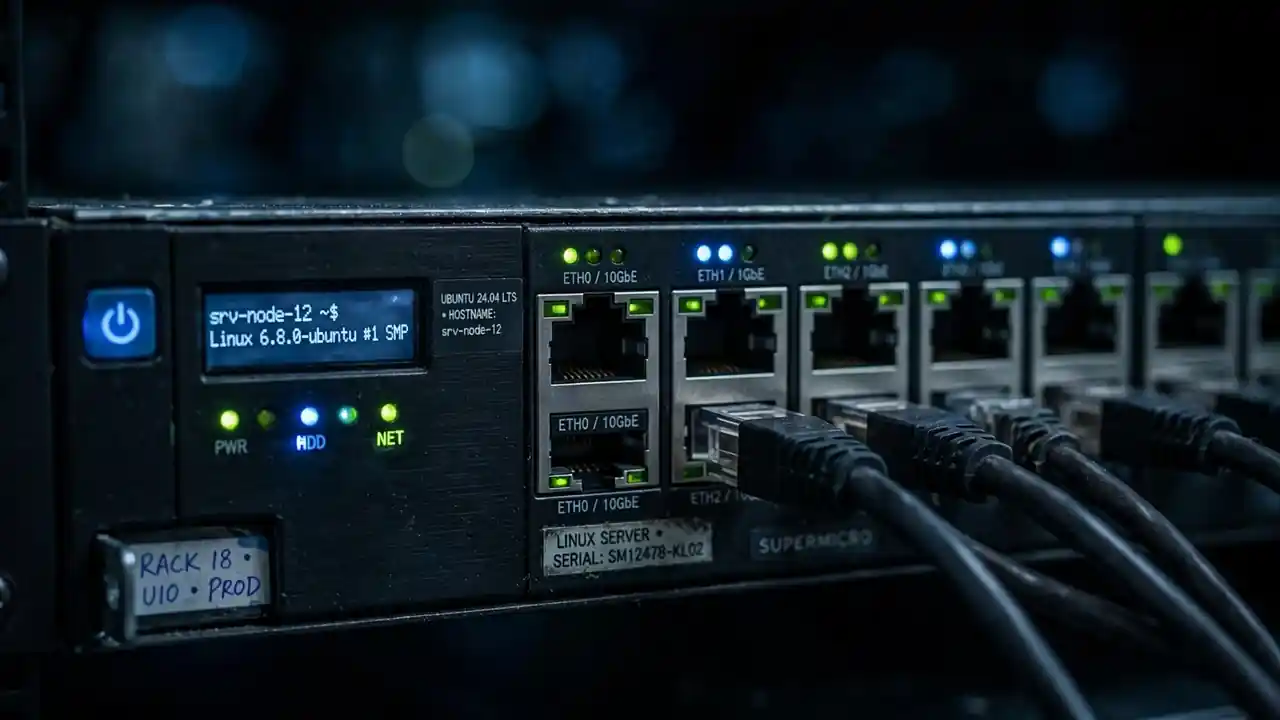
Every Linux team knows this wait. A flaw is disclosed, the vendor ships a fix, and then the fix has to be tested against the team’s own systems before it can roll out. OpenAI puts that wait at days or weeks, and Isovalent notes that some fixes take months to reach most systems. Attackers do not wait: Isovalent states that the mean time to exploitation has turned negative, so a growing number of flaws are exploited before they are publicly disclosed. The blunt fix is to block the Linux operation the exploit uses, but OpenAI notes the same operation often serves legitimate requests, so blocking it outright can take the service offline. A shield is meant to split that difference by blocking only the malicious use of the operation, and the real patch still has to land.
How a shield works inside a running Linux kernel
A shield is a small program that attaches to a precise point in the Linux kernel or, in some cases, inside the application itself. It inspects the exact operation an exploit depends on, blocks the malicious input, and lets ordinary requests pass, all without stopping the service or restarting the machine.

The mechanism underneath is eBPF, a Linux technology that runs small programs at set points inside the operating system. OpenAI describes eBPF as a way to observe suspicious activity and apply targeted protections to running systems. The Linux kernel checks every eBPF program against safety rules before it runs, which is what makes loading new code into a live kernel defensible. A shield can block a vulnerable code path, replace flawed code, or add the visibility needed to detect an attack, according to the Isovalent post. The order of events matters. A proposed shield is tested against real workloads first, and the team can watch how it affects the application before enforcing it. Only after an operator approves it does the shield go live, without a restart.
Codex in the loop: how an agent builds a shield
Codex acts as the control plane in the example the companies published. It reads the vulnerability details, builds a reproducer for the exploit, picks the best place to intercept it, writes the shield code, and tests the result against both the exploit and normal workloads before a human operator sees it.

OpenAI Cisco Shirudo is a rewrite of Tetragon designed for agents, and that design choice shapes the whole workflow. Tetragon, the eBPF security platform Isovalent open-sourced in 2022, exposed policy languages built for people. The Isovalent team argues that this limits an agent, because an agent’s natural output is code, not a policy form. Shirudo gives the agent programmable controls in the operating system itself. The agent loop starts with a vulnerability, either one the agent found by scanning open-source code or one from a vendor disclosure. It builds a reproducer, validates the exploit, and picks the mitigation point, which may be an eBPF hook or a spot inside the application runtime. It then writes the mitigation, validates it, and repeats the loop until the shield works. The agent does the fast work while the operator keeps the final call, a split also seen in agent-driven development, covered in our Anthropic Claude Ship pull request workflows article.
The Java4Shell test and what it actually proved
In a controlled test, a shield generated by Codex blocked a Java4Shell exploit attempt against a running Elasticsearch service, and the service kept running. The result shows one shield working against one vulnerability in one test, not a general guarantee that Shirudo can stop every exploit.
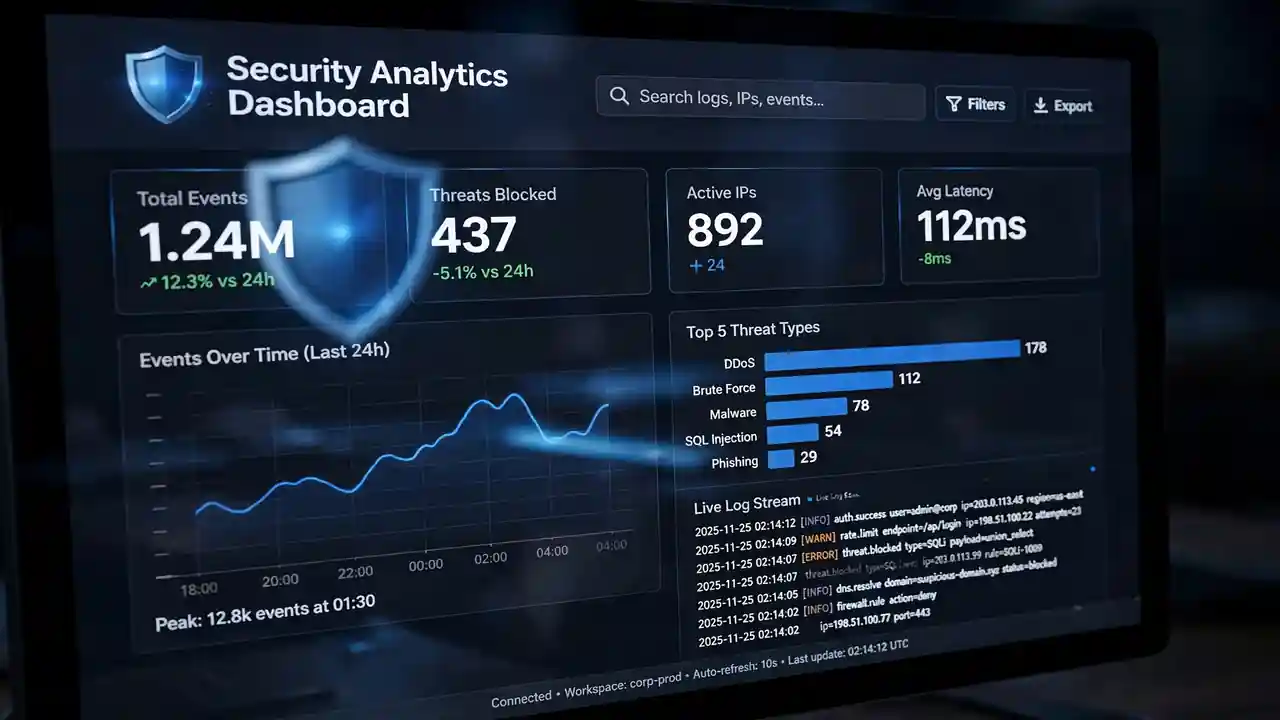
Java4Shell, tracked as CVE-2026-114938, is a heap overflow flaw in the Base64 decoder in certain unpatched OpenJDK builds, disclosed on 17 November 2026 by security firm Calif. The team fed the vulnerability details into the Shirudo control plane, and Codex generated a shield that added an input check to the Java decoder. One detail changes how the result should be read. The Java4Shell shield was Java bytecode injected into the running application, not an eBPF kernel program. The Isovalent post explains that some vulnerabilities are not suited to eBPF protections, so the agent picked the application runtime as the mitigation point instead. The team ran Elasticsearch 9.5.5, attached the shield to the running process, and tried the exploit. The attempt failed, the shield rejected the malicious input, and Elasticsearch kept running. Cisco also said the team tested a shield against a separate PHP vulnerability, according to Interesting Engineering. That is the full public evidence so far.
Shirudo shields compared with patching, WAFs and EDR tools
Patching fixes the flaw for good but takes days or weeks, while a shield buys time by blocking one exploit path. A web application firewall filters traffic at the edge, and endpoint tools watch for malicious behavior, but neither can reach inside the kernel or the application runtime the way a shield can.
Each approach protects a different layer and fails in a different way.
| Approach | What it protects | How fast it deploys | Main limit |
|---|---|---|---|
| Full patch | The flawed code itself | Days to weeks, after testing | Service may need a restart and the fix has to reach every system |
| Shirudo shield | One exploit path on a running system | Fast, once the shield is built and approved | Temporary, narrow, and the project is pre-release |
| Web application firewall | Traffic at the network edge | Minutes, as a rule change | Cannot see inside the kernel or the application runtime |
| EDR and runtime agents | Behavior on the endpoint | Minutes, as a policy update | Detects and responds, but does not change the vulnerable code path |
The table shows why a shield is a complement rather than a rival to the other tools. Patching remains the only option that removes the flaw. A firewall can block known bad requests before they reach the server, but it cannot fix the code behind them. Endpoint tools can catch an attack in progress, yet the vulnerable code path stays open. A shield sits between those layers, changing what the running system does with a specific input. That position is also its weakness. A shield that is too narrow can be bypassed by a small change in the exploit, and a shield that is too broad can block legitimate traffic.
Four capabilities, and what each one does for an operator
OpenAI and Cisco describe four capabilities: live protection, AI-assisted threat investigation, trusted deployment, and hardware-backed verification. Together they cover the full loop from finding a flaw to proving what protection is running, with a human operator keeping control of what actually gets deployed.
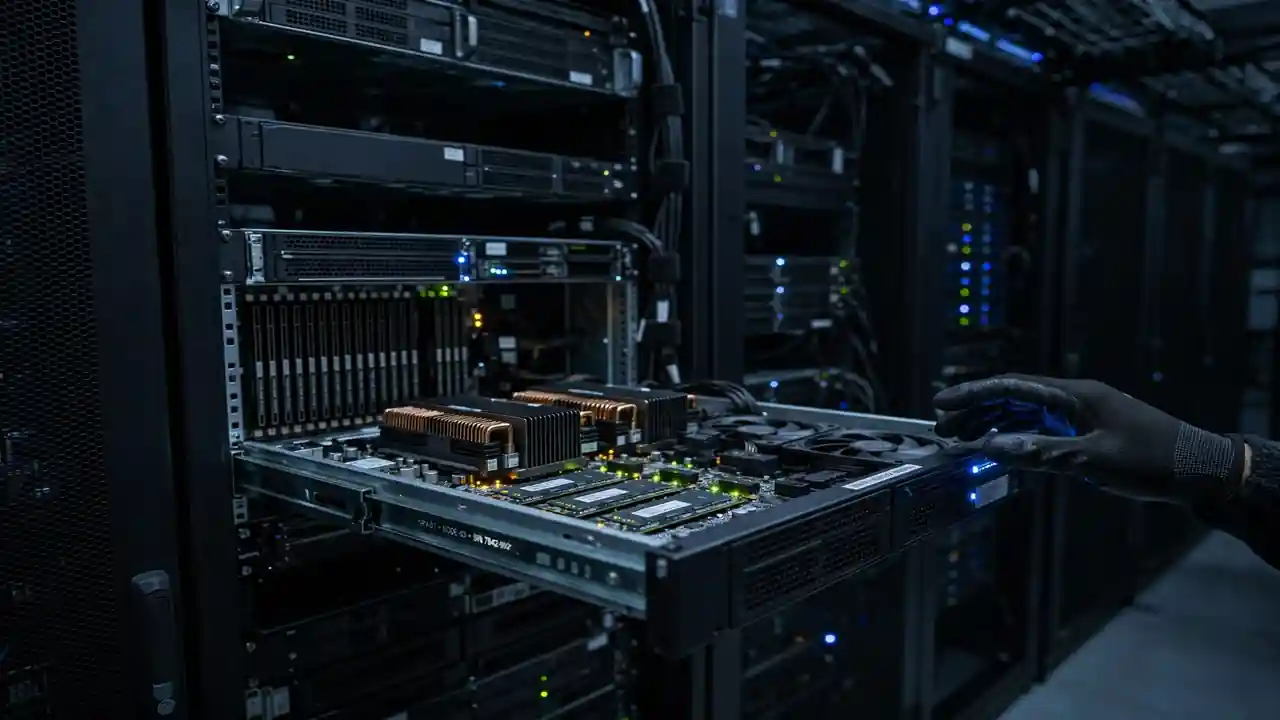
Live protection is the core promise. Shields built on eBPF can block vulnerable code paths without restarting the system, and teams can watch how a proposed shield would affect applications before enforcing it. Defense at machine speed is OpenAI’s name for the agent side of the system. Agents get programmable controls to investigate vulnerabilities, develop targeted shields, and validate them against exploits and real workloads, while security teams control what gets deployed. Trusted deployment covers the signing and checking. Shields are cryptographically signed and verified before loading, the eBPF verifier checks each program against safety rules, and kernel controls restrict unauthorized changes. Hardware-backed verification closes the loop with a Trusted Platform Module, which keeps a verifiable record of protections being loaded or removed, for later checks.
Signed, verified and logged: how Shirudo earns trust
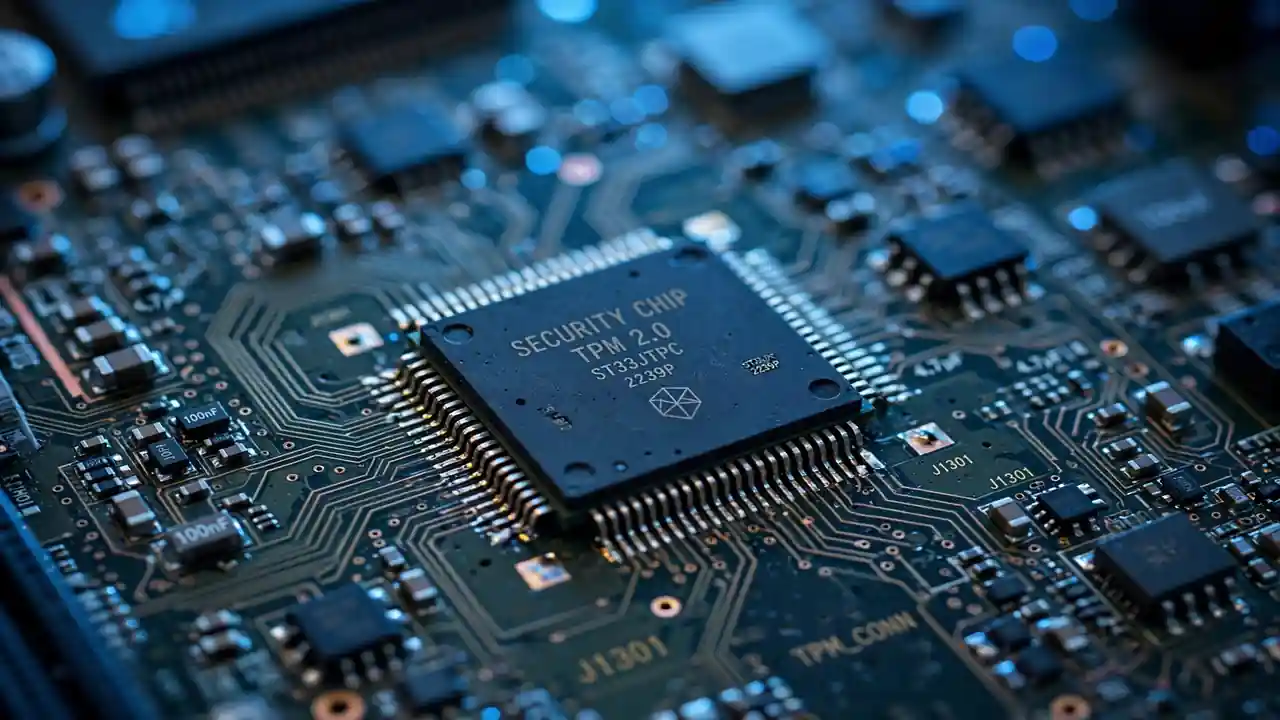
Every shield is cryptographically signed before it is delivered, and the Linux eBPF verifier checks the program against safety rules before it can run. A Trusted Platform Module keeps a hardware-backed record of shields loaded or removed, so an operator can later show exactly what protection was in place.

The delivery path is deliberately simple. Shirudo on the operator machine builds shields from eBPF or application bytecode and delivers signed .bee packages through an OCI-compliant registry. The Shirudo layer on each target pulls those packages and validates each signature with TPM hardware. No permanently running daemon exists on either side. Both sides use a one-shot command line tool, and the target’s control plane is an eBPF program loaded during boot. That keeps the attack surface small, since there is no extra service to exploit, but the initial setup happens at boot rather than on a live system. The no-restart benefit applies to shields loaded after the platform is set up. The TPM record matters after an incident, when a team needs to prove what protection was running and when it changed. A hardware-backed log is harder to forge than a plain text file.
Who should try Shirudo first, and what to check before you do
Security teams running Linux servers that cannot restart on short notice are the natural first users, especially teams already comfortable with eBPF. Start in a virtual machine with the published quickstart, confirm your kernel and TPM support, and treat the first shields as experiments until the project matures.

The practical starting point is the VM quickstart in the project documentation, which walks through signing, loading, and verifying a test protection. Isovalent also offers a self-guided hands-on lab, and a technical deep dive webinar is scheduled for 15 December. Before touching a real server, check the requirements. Production targets need a Linux kernel with the signed-loader ABI and Shirudo’s kernel patches, plus a TPM 2.0 chip, according to the project documentation on GitHub. That is a real constraint: Shirudo does not simply install on any Linux box. Teams running current distributions such as the ones in our guides to Fedora Linux 45 and Ubuntu 26.04 LTS should check whether their kernel carries the needed support before assuming the quickstart will carry over to their fleet. The sensible first users are lab teams and operators with a staging environment that mirrors production.
The trade-offs: agent-written kernel code and an early codebase
The main risk is that an AI agent writes code that runs inside the kernel or the application, so a bad shield could block legitimate traffic or open a new hole. Operator approval, signing, and the eBPF verifier reduce that risk, but they do not remove it, and the project is still pre-release software.
The limits are plain. The first is the agent itself. Codex writes the shield, and a model can misunderstand a vulnerability, pick the wrong interception point, or write a check that looks right in a test and fails on real traffic. The second limit is scope. A shield blocks one exploit path, and attackers adapt. A shield that stops the published proof of concept may not stop a variant that reaches the same flaw another way. The third limit is maturity. The repository lists the project as pre-release, the kernel needs Shirudo’s patches, and the only detailed public test is the Java4Shell example. Independent teams have not yet published their own results. None of this makes OpenAI Cisco Shirudo a bad idea, only an early one, and early ideas belong in labs and staging environments until the evidence grows.
What comes next for Shirudo and self-defending Linux
OpenAI and Cisco say Shirudo is a first step toward infrastructure that adapts to new threats while staying reliable, and they plan to publish tested shields alongside vulnerability disclosures. Expect the project to grow in the open, with its real test being whether independent teams can reproduce the results.

The goal is practical: when a vulnerability is disclosed, a tested shield should ship with it, so operators can deploy a temporary protection while they prepare the permanent patch. That only works if shields are shared, reviewed, and trusted, which is why the project is open source and the companies are inviting contributions. The longer-term direction in the OpenAI post goes further, toward applications that run with only the permissions they need under automatically generated policies, plus hardware-backed attestation to restore services to a verified, known-good state. Those aims are years away, direction rather than delivery dates. The near-term test is simpler: watch the 15 December deep dive, whether outside teams publish their own shield results, and whether tested shields start appearing alongside real disclosures.
Frequently asked questions
Is Shirudo a replacement for patching Linux systems?
No. A shield blocks one exploit path while the real fix is prepared, and it retires when the patch lands. OpenAI and Cisco describe Shirudo as a first step that buys time, not as a substitute for patching. A team that deploys shields and skips patches keeps the underlying flaw open.
Does Shirudo work on any Linux distribution?
Not yet. The project is pre-release, and production targets need a Linux kernel with the signed-loader ABI and Shirudo’s kernel patches, plus a TPM 2.0 chip. The VM quickstart is the supported way to try it first, and operators should confirm kernel support before planning a wider rollout.
What is eBPF and why does Shirudo depend on it?
eBPF is a Linux technology that runs small, sandboxed programs at set points inside the kernel without changing its source code or restarting it. The kernel verifies each program against safety rules before it runs. Shirudo depends on eBPF because it lets a shield attach to a live system and block a vulnerable code path.
Who approves a shield before it goes live?
A human operator does. An agent can investigate a vulnerability, build a shield, and test it, but OpenAI states that security teams control what gets deployed. The shield is signed and only loaded after approval, with the TPM keeping a record of the decision.
Is Shirudo free to use?
Yes. Shirudo is open source, licensed under BSD 2-Clause, with its BPF programs dual-licensed under BSD and GPL. There is no price and no paid edition announced. The cost is the engineering time to set it up and test shields.
Can Shirudo protect Windows or macOS systems?
No. Shirudo is built on eBPF, a Linux kernel technology, and the project is described as a Linux runtime throughout the announcements. Windows and macOS need their own patching and endpoint tooling, and a Shirudo shield cannot load on them.
Sources
- OpenAI, “OpenAI and Cisco introduce Shirudo,” 23 November 2026: https://openai.com/index/introducing-shirudo/
- Cisco Isovalent, “Cisco and OpenAI introduce Shirudo,” 23 November 2026: https://isovalent.com/blog/post/cisco-openai-shirudo/
- Cisco and OpenAI, joint launch release, PR Newswire, 23 November 2026: https://www.prnewswire.com/news-releases/cisco-and-openai-launch-shirudo-a-new-project-to-safeguard-agentic-ai-302948685.html
- Shirudo project on GitHub: https://github.com/shirudo-dev/shirudo
- TechRadar, “OpenAI and Cisco team up to stop AI-generated security threats before they get too big”: https://www.techradar.com/pro/security/openai-and-cisco-team-up-to-stop-ai-generated-security-threats-before-they-get-too-big
- Cybersecurity Dive, “OpenAI, Cisco debut tool that lets AI agents safely block vulnerability exploitation”: https://www.cybersecuritydive.com/news/ai-vulnerability-openai-cisco-shirudo-linux/875644/
- InfoWorld, “Cisco and OpenAI dispatch AI agents to shield vulnerable systems before permanent patches arrive”: https://www.infoworld.com/article/4252807/cisco-and-openai-dispatch-ai-agents-to-shield-vulnerable-systems-before-permanent-patches-arrive.html
- The Hacker News, “OpenAI and Cisco Unveil AI-Assisted Linux Security Tool to Block Exploits Before Patching”: http://thehackernews.com/2026/11/openai-and-cisco-unveil-ai-assisted.html
- Dynatrace, “Java4Shell (CVE-2026-114938): Affected Java Versions and fixes”: https://www.dynatrace.com/news/blog/java4shell-cve-2026-114938-which-java-runtimes-are-affected-and-how-to-fix-them/
- Interesting Engineering, “OpenAI’s Codex builds shields to block exploits on Linux systems”: https://interestingengineering.com/ai-robotics/openai-cisco-shirudo-linux-security-runtime