Google started a new core update on November 10, 2026, and in the same week it put new Gemini 4 models into Search. The timing matters for site owners because the rollout runs into the busiest shopping week of the year in the United States. The core update changes how Google ranks pages. The Gemini 4 changes affect how Search understands questions and builds answers in AI Mode. This article sets out the timeline, what Google actually said, what it did not say, and the checks that matter after the rollout ends. Every date, price and score below comes from Google or from the named reports that covered the announcements.
What Google announced on November 10
Google started the November 2026 core update on November 10, 2026, and the same day Rajan Patel said Gemini 4 Carbon was rolling out in AI Mode for Google AI Ultra subscribers. The update applies globally and to all languages. Google gave no separate blog post for the core update, and it did not name affected sites or systems.

The Google Search Status Dashboard carried the notice first. Its text said, “Released the November 2026 core update, which applies globally and to all languages. The rollout may take up to 2 weeks to complete.” The dashboard logged the start at 10:06 a.m. Pacific time, with a note at 10:07 a.m. The update is the third core update of 2026, after March and May, and the eighth ranking update listed on the dashboard in 2026. Google published no separate Search Central blog post. Google Search Central described it on LinkedIn as a regular update designed to better surface relevant, satisfying content for searchers from all types of sites. Readers can place this release in context with our Google policies and updates history, and keep it separate from product news such as the November 2026 Pixel Drop.
Rollout timeline and when it ends
Google logged the start at 10:06 a.m. Pacific time on November 10, 2026, and said the rollout may take up to two weeks. That points to around November 24, two days before Thanksgiving on November 26 and three days before Black Friday. As of November 11, the dashboard showed no completion notice, so the rollout was still running.

A full two weeks from November 10 ends around November 24, 2026. That date sits two days before US Thanksgiving on November 26 and three days before Black Friday on November 27. Cyber Monday follows on November 30. Traffic will move for shopping reasons at the same time that rankings move for update reasons, and the two effects will be hard to separate in raw traffic charts. PPC Land reported that the core update shifts rankings for up to two weeks before Black Friday, in its report on the core update timing. Past 2026 core updates took about 12 days in March and about 11 days 21 hours in May. Some earlier core updates ran longer than 14 days, including November 2023 at 25 days 21 hours and November 2024 at 23 days 13 hours, so two weeks is an estimate, not a deadline.
What a core update is and what it is not
Google describes core updates as significant, broad changes to search systems that arrive several times a year. They are not penalties, and they do not target specific sites or pages. A site can lose traffic after a core update even when it did nothing wrong, because Google changed how it weighs relevance and satisfaction across results.
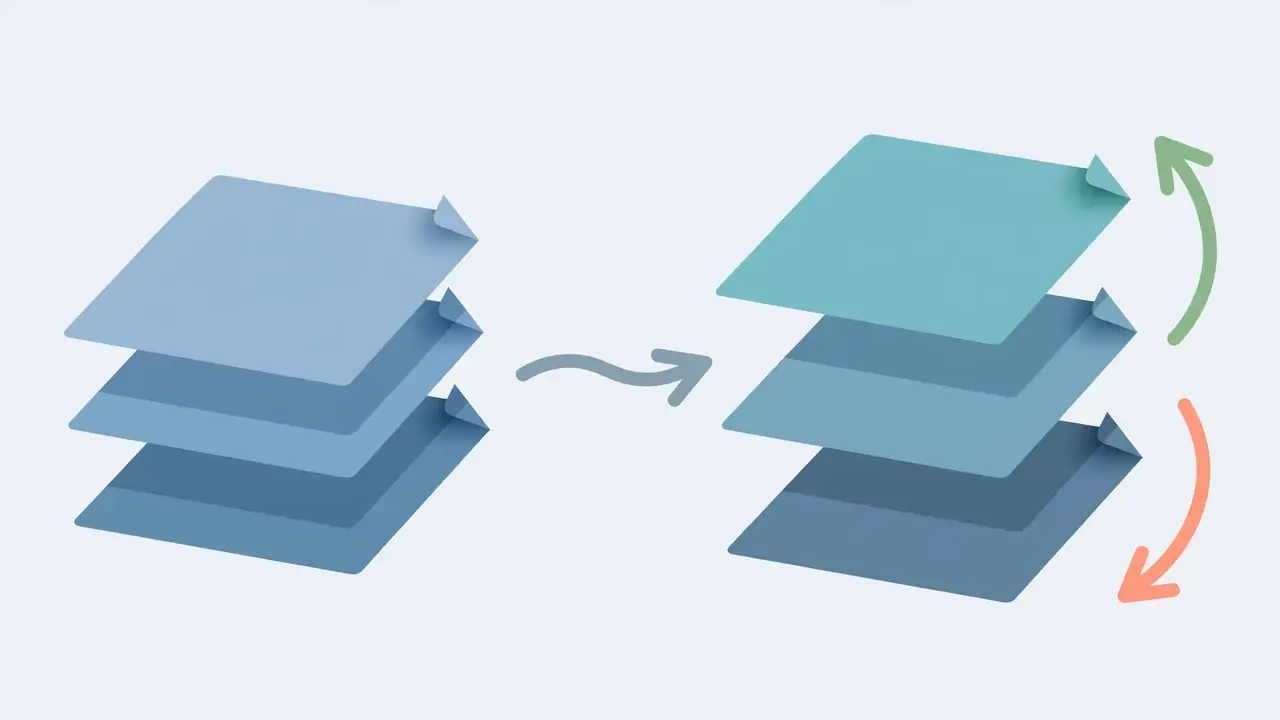
Google’s core updates documentation uses plain terms for this point. A core update is a broad change to search systems. It is not a penalty. It does not target a specific site or a specific page. It does not mean that a site broke a rule. A page can fall because other pages now match the query better, or because Google now weighs a different signal more heavily for that kind of search. A page can also rise for the same reason without any change to the page itself. The question after a core update is whether the content still serves the searcher as well as the pages that now rank above it.
What Google did not say
Google did not say which systems, content types or sites the November 2026 core update affects, and it published no separate Search Central blog post about it. It also gave no recovery steps for sites that lose traffic. Site owners must therefore wait for the rollout to finish, then check Search Console data before they change content or structure.

The gaps in this announcement are worth stating in full. Google did not say which systems changed. It did not say which content types or topics would move most. It did not name any sites or kinds of sites as affected. It did not publish a separate Search Central blog post, which it has done for some past core updates. It did not give recovery steps for sites that lose traffic. The dashboard notice is short, and the LinkedIn description from Google Search Central is general. That leaves site owners with no direct list to check against their own pages. They should not guess which system changed and rebuild around that guess, and they should not copy a fix that worked for a different site after a different update.
Gemini 4 Carbon arrives in AI Mode
Rajan Patel said Gemini 4 Carbon was rolling out in AI Mode for Google AI Ultra subscribers on November 10, 2026, with a model menu offering Auto, 3.8 Flash and 4 Carbon. Google said Carbon ranked first on the Artificial Analysis Intelligence Index with a score of 59. Ultra costs 99.99 dollars a month.
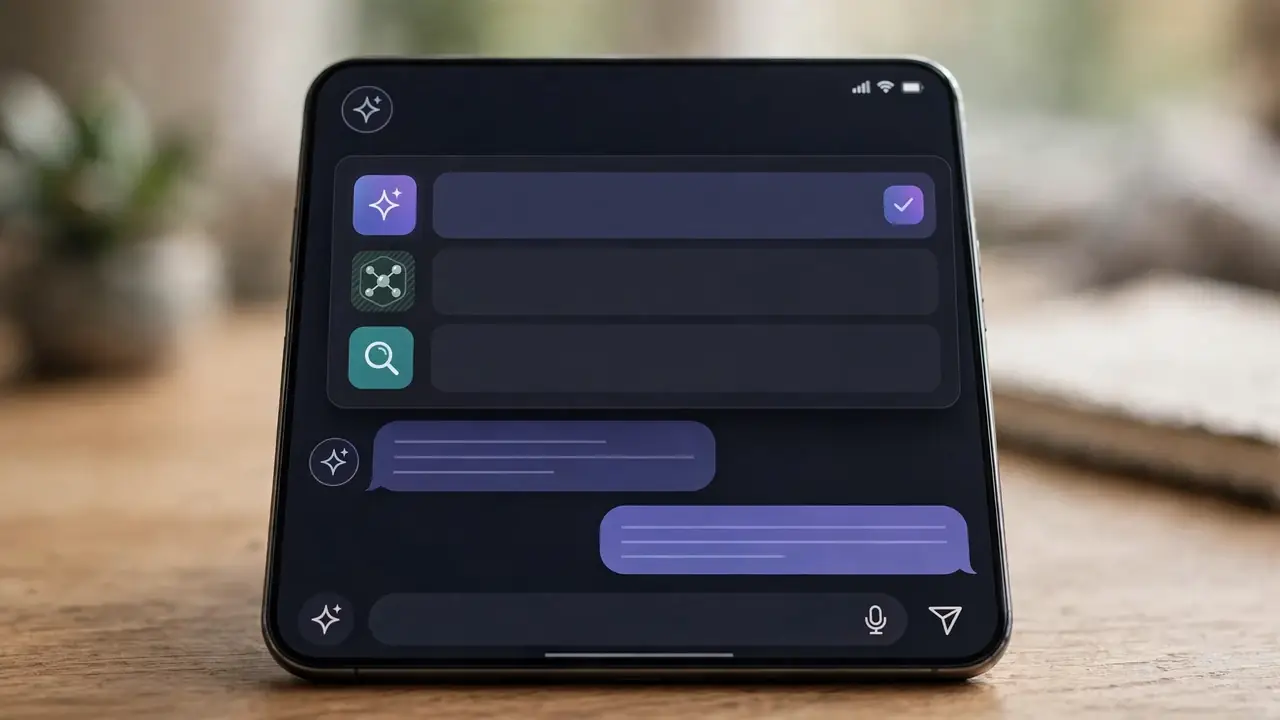
Gemini 4 Carbon was introduced on October 28, 2026, by Sundar Pichai on Alphabet’s third-quarter call as Google’s strongest frontier model. Google said it ranked first on the Artificial Analysis Intelligence Index with a score of 59. On November 10, 2026, Google’s Rajan Patel said Carbon was rolling out in AI Mode to Google AI Ultra subscribers. Search Engine Land reported the rollout in its article on Google AI Mode for subscribers gains Gemini 4 Carbon. The model menu in AI Mode offers Auto, 3.8 Flash and 4 Carbon, so Ultra subscribers can pick Carbon by hand instead of leaving the choice to Auto. Google AI Ultra costs $99.99 a month. The score comes from an evaluation Google selected. At I/O in May 2026 Google replaced the AI Mode default with Gemini 3.5 Flash, then moved to Gemini 3.8 Flash on September 2, 2026. Our Google Gemini 3 guide covers that earlier generation in full.
Gemini 4 Hydrogen reaches all Search users
On November 12, 2026, Gemini 4 Hydrogen became available globally in Google Search for all users, not only subscribers. Robby Stein called it the biggest model upgrade to Search yet. Google listed four improvements: deeper understanding, query fan-out, more visual answers and more nuanced responses. The post names no benchmarks for Search and says nothing about ads or clicks.
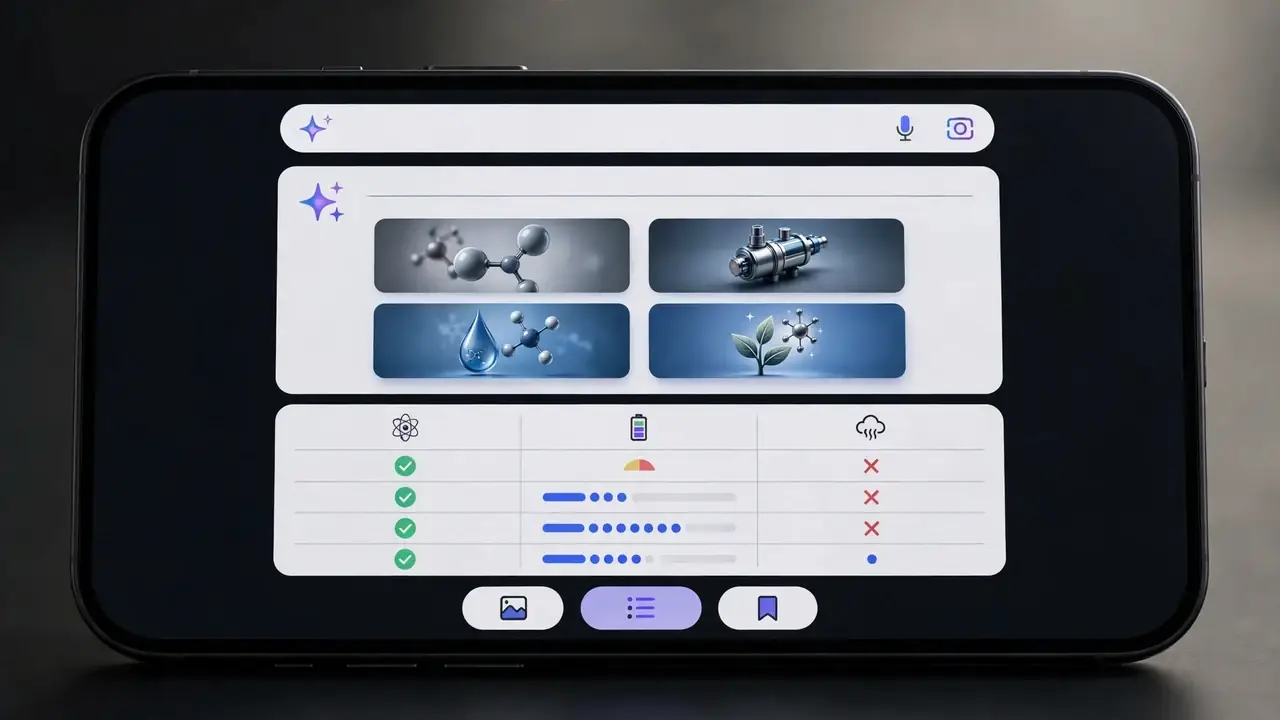
Two days after Carbon reached Ultra subscribers, Hydrogen reached everyone. On November 12, 2026, Gemini 4 Hydrogen became available globally in Google Search for all users. Google’s Robby Stein called it “the biggest model upgrade to Search yet” in a short blog post titled “Google Search gets a major upgrade with Gemini 4 Hydrogen.” PPC Land covered the wider release in its report on Gemini 4 Hydrogen for all Search users. Google listed four improvements. First, better understanding of nuanced, multi-part questions, typos and specific requests, with deeper instruction following and tool calling. Second, query fan-out that runs simultaneous searches across subtopics and links to a broader range of sites. Third, more visual answers with images, structured responses, comparison tables and custom tools. Fourth, more nuanced responses across all supported AI Mode languages. The post does not say which model Hydrogen replaces or whether it writes every AI response in Search.
How Argon, Carbon and Hydrogen differ
Argon, Carbon and Hydrogen are three Gemini 4 models. Carbon is the strongest, with an index score of 59, and it is limited to Ultra subscribers in AI Mode. Argon is a paid model for Pro and Ultra subscribers. Hydrogen is the fast, cost-efficient model for all Search users, with an index score of 51 at its default setting.

Gemini 4 Argon was released on October 13, 2026, and it is available only to paid AI Pro and Ultra subscribers in the Gemini app and AI Mode. Its developer price is $2 per million input tokens and $10 per million output tokens. Carbon sits above Argon on the index score Google cited, at 59 against 50 for Argon. Hydrogen sits below both on the same index at its default setting, with a score of 51, and 54 at its highest setting. Its developer price is $1.50 per million input tokens and $7.50 per million output tokens across a 1 million-token context window. Koray Kavukcuoglu at Google DeepMind describes Hydrogen in a companion model post as a fast, cost-efficient model for agentic workflows and everyday tasks. Google says Hydrogen finishes tasks 2.5 times faster than Gemini 3.8 Flash and cuts fabricated claims by more than five times compared with that model. Hydrogen offers four thinking levels: low, medium, high and extra-high. These figures come from Google or evaluations it selected and have not been reproduced independently.
What Hydrogen changes for publishers and site owners
Hydrogen changes how Search reads long questions and builds answers, but Google gave no click or traffic data for publishers. Query fan-out runs simultaneous searches across subtopics and links to a broader range of sites, which could help smaller sources. More visual answers and comparison tables could also keep readers inside Search longer, so publishers should watch Search Console closely.

Hydrogen changes how Search reads a question and how it builds an answer, but Google gave no click data and no traffic data for publishers. Query fan-out could help publishers, because it runs simultaneous searches across subtopics and links to a broader range of sites. More visual answers could also keep readers inside Search, with less reason to click out. AI Mode queries average three times the length of a traditional search query, and AI Mode passed one billion monthly users in May 2026. On October 28, 2026, Google expanded ads in AI Mode to ten more countries: Australia, Canada, India, Kenya, Malaysia, New Zealand, Nigeria, Pakistan, the Philippines and Singapore. On November 4, 2026, up to four ads were seen beneath a single AI Mode answer. Hydrogen’s Search post says nothing about ads or clicks. Our Google Pixel 10 series guide covers Google hardware from the same period.
What site owners should check now
Site owners should confirm on the Search Status Dashboard that the rollout has finished, then wait at least a full week before they judge results. After that, they should compare that week in Search Console with the week before November 10. A small drop needs no drastic action, while a large drop calls for a deeper content assessment.

Google’s advice from its core updates documentation gives a clear order of work. First, confirm on the Search Status Dashboard that the rollout has finished. The dashboard incident page is the November 2026 core update notice. Second, wait at least a full week after it completes. Third, compare that week in Search Console with a week before the rollout began, using the week before November 10 as the baseline. Do not judge results during the rollout. Do not judge results from holiday traffic around Thanksgiving, Black Friday and Cyber Monday on November 30, when shopping searches move pages for reasons that have nothing to do with quality. Google gives two examples to set the scale of response. A drop from position 2 to 4 needs no drastic action. A drop from position 4 to 29 calls for a deeper assessment. Site owners should also keep account access secure, and our Google passkeys setup guide covers that step.
Frequently asked questions
Google started the November 2026 core update on November 10 and said the rollout may take up to two weeks. Gemini 4 Carbon reached AI Mode for Ultra subscribers the same day, and Gemini 4 Hydrogen reached all Search users on November 12. Site owners should wait until the rollout finishes, check Search Console against the week before November 10.

When did the November 2026 core update start?
Google began rolling out the November 2026 core update on Tuesday, November 10, 2026, at 10:06 a.m. Pacific time, with a dashboard note at 10:07 a.m. The update applies globally and to all languages.
When will the November 2026 core update finish?
Google said the rollout may take up to two weeks, which points to around November 24, 2026. As of November 11, the dashboard showed no completion notice, so the rollout was still running. Past updates have run longer, so this is an estimate.
Is the November 2026 core update a penalty?
No. Google describes core updates as significant, broad changes to search systems made several times a year. They are not penalties and they do not target specific sites or pages. A site can lose traffic without doing anything wrong.
What is Gemini 4 Carbon and who gets it?
Gemini 4 Carbon is the strongest Gemini 4 model, with an Artificial Analysis Intelligence Index score of 59 as reported by Google. It rolled out in AI Mode on November 10, 2026, for Google AI Ultra subscribers, who pay $99.99 a month. The model menu offers Auto, 3.8 Flash and 4 Carbon.
What is Gemini 4 Hydrogen and who gets it?
Gemini 4 Hydrogen is a fast, cost-efficient Gemini 4 model that became available globally in Google Search for all users on November 12, 2026. Robby Stein called it the biggest model upgrade to Search yet. Its index score is 51 at the default setting and 54 at its highest setting.
How do Argon, Carbon and Hydrogen compare?
Argon scored 50 on the index Google cited, Carbon scored 59 and Hydrogen scored 51 at default and 54 at its highest setting. Argon is for paid Pro and Ultra subscribers. Carbon is for Ultra subscribers in AI Mode. Hydrogen is for all Search users.
What should site owners do after a core update?
Wait until Google confirms on the Search Status Dashboard that the rollout has finished, then wait at least a full week. Compare that week in Search Console with the week before November 10. A drop from position 2 to 4 needs no drastic action, while a drop from position 4 to 29 calls for a deeper assessment.